

tempered glass
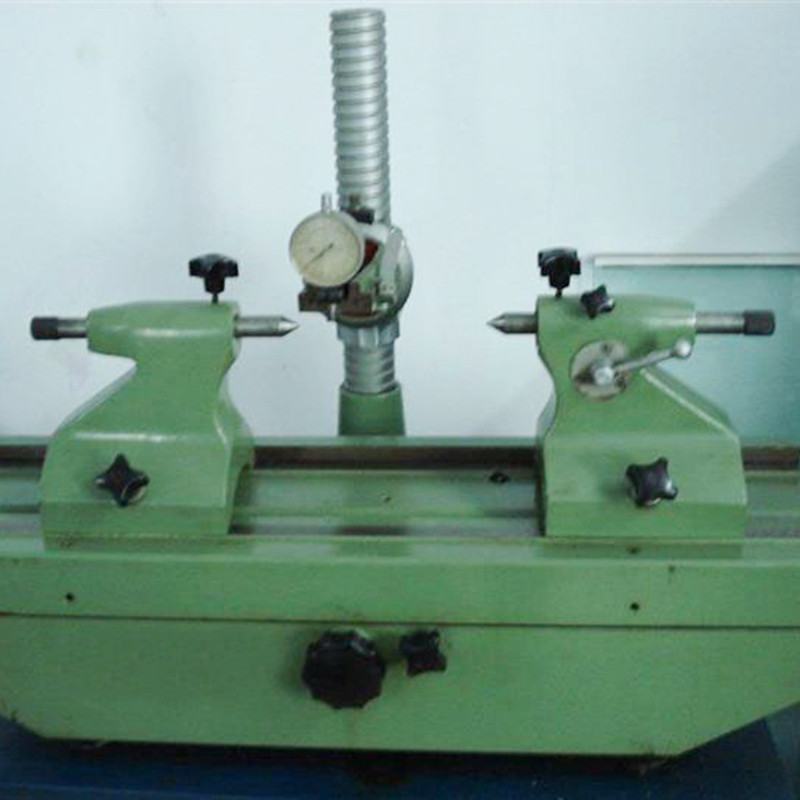
Understanding Dial Bore Gauges Precision Measurement in Engineering When discussing precision measurement tools used in engineering and manufacturing, the dial bore gauge stands out as an essential instrument. This tool is used to measure internal diameters of holes and cylinders with a high degree of accuracy. It plays a critical role in ensuring that components meet precise specifications, which is vital in industries such as automotive, aerospace, and machinery manufacturing. What is a Dial Bore Gauge? A dial bore gauge is a specialized measuring instrument equipped with a dial indicator and expandable arms. The dial indicator displays the measurement on a graduated scale, making it easy for operators to read and interpret results. The design of the gauge allows it to fit into a variety of hole sizes, giving it versatility in different applications. The primary components of a dial bore gauge include the following - Body The main structure of the gauge provides stability and support. - Measuring tips These are inserted into the bore and make contact with the internal surface. They come in various sizes to accommodate different bore diameters. - Dial indicator This is the display unit that shows the measurements taken by the gauge. It typically shows measurements in millimeters or inches. - Adjustment mechanism This feature allows for the calibration of the gauge to ensure accurate readings. How Does a Dial Bore Gauge Work? Using a dial bore gauge is a straightforward process that requires a few steps to ensure accuracy 1. Preparation Before measurement, the bore should be clean and free from debris. This step is crucial since any dirt or residue can lead to inaccurate readings. 2. Insertion of the Gauge The measuring tips of the gauge are inserted into the bore until they make contact with the wall. 3. Adjustment The gauge is then adjusted to ensure it makes full contact with the surface of the bore. This may involve pushing the arms outward to fit snugly against the walls. 4. Taking a Reading Once set, the operator reads the dial indicator to determine the internal diameter. The measurement can then be compared to the desired specifications. The precision of a dial bore gauge is affected by several factors, including the quality of the instrument, the skill of the operator, and the environmental conditions in which measurements are taken. Therefore, regular calibration and proper handling are essential to maintain accuracy . dial bore gauge Applications of Dial Bore Gauges Dial bore gauges are utilized in various applications across different industries - Engine Manufacturing In the automotive industry, ensuring that cylinder bores maintain precise dimensions is vital for engine performance. Dial bore gauges help in measuring these to ensure proper fitment of pistons and rings. - Aerospace Components Given the rigorous standards required in aerospace engineering, dial bore gauges are used to measure the internal diameters of components such as fuel lines and engine casings. - Machinery and Tooling In manufacturing setups, dial bore gauges are essential for checking the dimensions of tools and machinery parts to ensure they fit together correctly and operate efficiently. Advantages of Using Dial Bore Gauges One of the key benefits of dial bore gauges is their ability to deliver precise measurements quickly. This efficiency is crucial in production environments where time and accuracy are paramount. Additionally, these gauges are relatively easy to operate, making them accessible to technicians and engineers alike. Moreover, dial bore gauges offer an advantage over electronic measurement tools in certain settings. They do not require batteries or electronic components, which can be advantageous in environments where electrical interference may pose a problem. Conclusion In conclusion, dial bore gauges play a pivotal role in achieving precision in engineering and manufacturing. Their design and functionality enable accurate measurement of internal diameters, ensuring that components meet required specifications. As technology advances, the importance of precise measurement remains constant, and the dial bore gauge will continue to be an invaluable tool in various industries. Whether for quality control, manufacturing, or assembly, understanding and utilizing dial bore gauges effectively can significantly enhance the quality and reliability of engineered products.
about
tempered glass
Replacing a Water Valve A Step-by-Step Guide Replacing a water valve might seem like a daunting task for the average homeowner, but with the right tools and instructions, it can be a manageable DIY project. Understanding the importance of water valves in your plumbing system is essential, as they control the flow of water to various parts of your home. Whether you are dealing with a leaking valve or simply want to upgrade it, this guide will help you through the process. Before starting, ensure you have all the necessary tools. You’ll need an adjustable wrench, a pipe cutter, Teflon tape, and a bucket to catch any residual water. Always prioritize safety—wear gloves and safety goggles to protect yourself from any debris or water spills. Replacing a Water Valve A Step-by-Step Guide Next, identify the valve that needs replacing. If it’s a cut-off valve under a sink, it’s typically connected directly to the water supply line. Use the adjustable wrench to loosen the nuts connecting the valve to the pipe. Be cautious as you may encounter some water spillage, so keep your bucket handy. replace a water valve Once you have disconnected the old valve, inspect the existing pipes for any damage or wear. If the pipe's threads are damaged, you may need to consider replacing that section of the pipe as well. Assuming everything looks good, you can proceed with installing the new valve. Apply Teflon tape to the threads of the pipe to prevent any leaks, and then attach the new valve by tightening the nuts with your wrench. After securing the new valve, turn the main water supply back on gradually. Check for leaks around the newly installed valve. If you see any water seeping out, tighten the connections slightly until the leaks stop. Finally, test the functionality of the valve by turning it on and off. Ensure that it operates smoothly without any hissing or leaks. If everything is tight and functioning correctly, you have successfully replaced a water valve! In conclusion, replacing a water valve is a straightforward process that can save you money on plumbing bills. With basic tools and a bit of patience, you'll have your plumbing system running smoothly in no time. Always remember, if you’re ever unsure about the process, don’t hesitate to consult with a professional plumber.
-

High quality industrial productsagement

High quality industrial products
View Details -

Meet the diverse needs of customers

Meet the diverse needs of customers
View Details -

Strict quality control

Strict quality control
View Details -

Top raw materials

Top raw materials
View Details -

Trusted supplier

Trusted supplier
View Details
Our application

news and information
Van cửa niêm phong mềm điện
Van cổng 150mm, một trong những sản phẩm quan trọng trong ngành công nghiệp, đóng vai trò tối ưu hóa
Y-Shaped Strainer for Efficient Liquid Filtration Solutions
y shaped strainer .

welding table cost
Understanding the Costs of Welding Tables When it comes to metalworking and fabrication, having the
 English